
Antioxidant supplements promise youthful longevity, but major human clinical trials reveal no mortality benefits and highlight potential health risks from high doses.





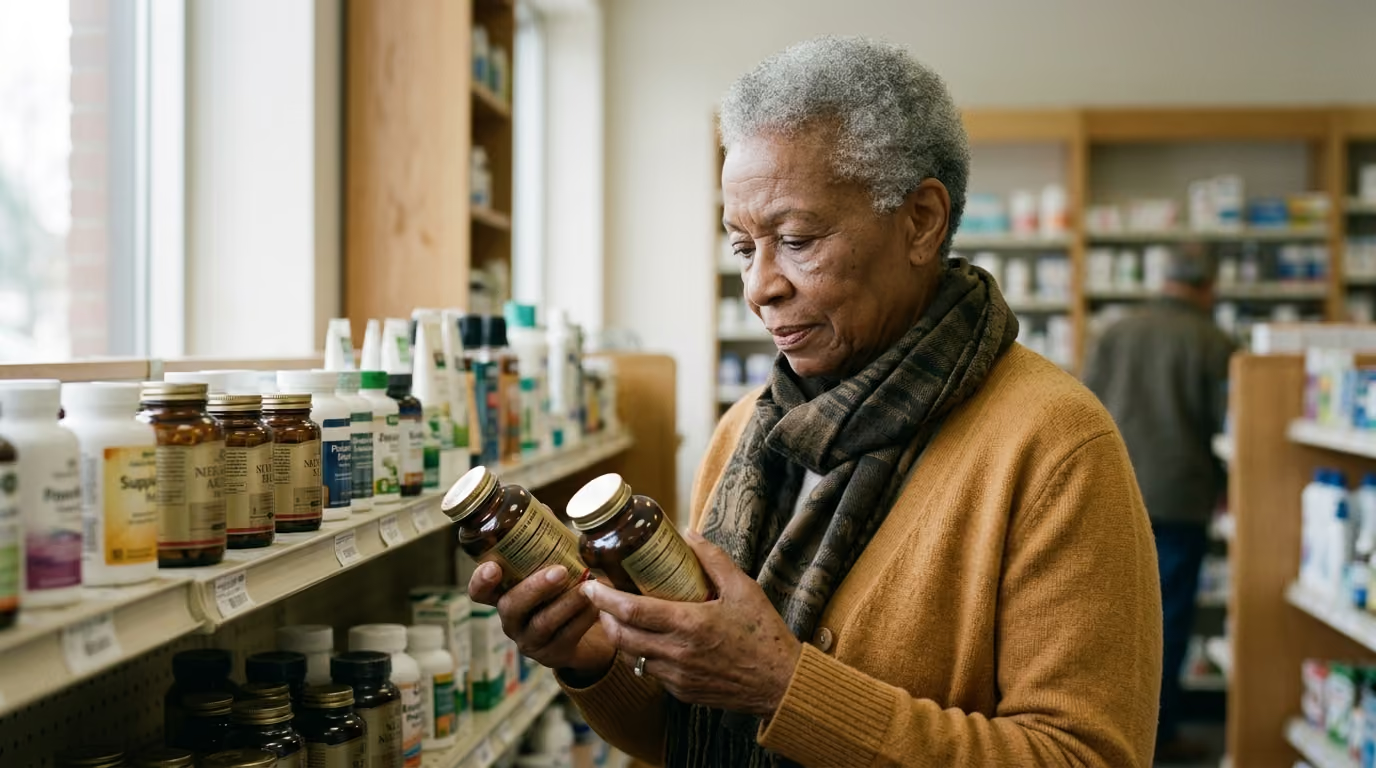
You stand in the supplement aisle looking at bottles promising cellular defense, healthy aging, and radical protection. The marketing makes intuitive sense. Oxygen creates rust on metal, and metabolism creates reactive oxygen species inside human cells. Neutralizing those molecules with a daily pill sounds like an obvious way to preserve long-term health.
The biological reality is far more nuanced. For decades, researchers investigated whether isolated antioxidant compounds could delay aging and prevent chronic conditions. When those hypotheses faced large randomized human trials, the results surprised the scientific community. High doses of isolated nutrients often failed to produce benefits, and in several notable trials, they caused measurable harm.
Understanding why laboratory theory diverged from human trial outcomes requires examining the underlying biology, the trial data, and the difference between dietary patterns and concentrated supplement pills. For those interested in evidence-based longevity nutrition and supplements, separating laboratory plausibility from clinical evidence is essential.
The central finding across decades of human research is clear and consistent. Routine supplementation with isolated antioxidant vitamins does not extend human lifespan or prevent major chronic conditions like cardiovascular disease and cancer. In several well-designed randomized controlled trials, certain high-dose antioxidant supplements actually increased mortality and cancer incidence in specific populations.
The most authoritative synthesis of this evidence comes from systematic reviews of randomized controlled trials. A landmark Cochrane systematic review analyzed 78 randomized clinical trials encompassing 296,707 participants. The review evaluated beta-carotene, vitamin A, vitamin C, vitamin E, and selenium taken as supplements. The investigators found no evidence that antioxidant supplements reduce all-cause mortality. Instead, when looking at trials with a low risk of bias, supplementation with beta-carotene, vitamin E, and higher doses of vitamin A was associated with a statistically significant increase in mortality.
Major preventive health bodies have translated these trial data into formal clinical guidance. The United States Preventive Services Task Force (USPSTF) issued definitive recommendations on vitamin and mineral supplementation for chronic disease prevention. The task force recommends explicitly against the use of beta-carotene supplements and vitamin E supplements for the prevention of cardiovascular disease or cancer. For other single or paired nutrients, the task force concluded that current evidence remains insufficient to demonstrate a net preventive benefit.
This gap between early expectations and trial outcomes highlights the difference between observational associations and randomized interventions. People who consume diets rich in whole fruits, vegetables, and legumes generally experience lower rates of cardiovascular disease and certain cancers. However, extracting individual molecules from those foods and packaging them into concentrated capsules does not reproduce the health benefits of whole-food dietary patterns.
Scientific evidence moves through distinct stages, and each stage answers a different biological question. In the study of aging and antioxidants, confusing preclinical findings with human clinical proof has created widespread misunderstanding.
Cellular research operates in controlled laboratory containers. In a test tube or Petri dish, researchers can add reactive oxygen species to cell cultures and observe oxidative damage to lipids, proteins, and DNA. Adding compounds such as ascorbic acid or alpha-tocopherol directly neutralizes these reactive species, protecting cell structures from acute damage. These in vitro studies prove that antioxidant compounds have chemical scavenging capabilities, but they cannot show how an intact organism processes those nutrients over decades.
Animal models provide a higher level of biological complexity. Rodents and other model organisms produce endogenous antioxidant enzymes, such as superoxide dismutase and catalase, while processing dietary nutrients through complex digestive and metabolic systems. Studies manipulating antioxidant levels in animals have produced mixed results regarding lifespan and healthspan. Some transgenic mice engineered to overexpress antioxidant enzymes lived no longer than their wild-type peers, challenging the simplest versions of the oxidative stress theory of aging.
Observational human studies track large populations over time, assessing dietary habits and subsequent disease rates. These cohorts consistently show that individuals with higher intakes of antioxidant-rich plant foods suffer fewer heart attacks, strokes, and specific cancers. However, observational studies cannot establish causality. Individuals who eat more vegetables and fruits often engage in regular exercise, smoke less, and have higher socioeconomic status, creating confounding variables that statistical models cannot fully eliminate.
Randomized controlled trials (RCTs) represent the gold standard for clinical decision-making. By randomly assigning participants to receive either an active supplement or an identical placebo, RCTs balance both known and unknown confounding factors. When antioxidant supplements entered large-scale human RCTs, the protective effects observed in population cohorts failed to materialize. Recognizing which evidence stage supports a claim prevents early laboratory observations from being mistaken for established human health outcomes.
To understand why antioxidant pills have not delivered broad anti-aging benefits, it is necessary to examine the biology of reactive oxygen species. For decades, the Free Radical Theory of Aging proposed that aging is the direct result of cumulative, unmitigated oxidative damage to cellular components over time. While oxidative damage clearly occurs as organisms age, the full biological picture is far more complex.
During normal cellular respiration, mitochondria use oxygen to generate adenosine triphosphate (ATP), the primary energy currency of the cell. In this process, a small percentage of electrons escape the electron transport chain and react with molecular oxygen, creating superoxide anions and other reactive oxygen species (ROS). Environmental exposures, such as ultraviolet radiation, air pollution, and cigarette smoke, also generate reactive molecules within tissues.
If left unchecked, high levels of reactive species can cause lipid peroxidation in cell membranes, structural modifications in enzymes, and mutations in mitochondrial and nuclear DNA. The human body does not rely entirely on dietary molecules to manage this risk. Instead, cells maintain an intricate endogenous defense network, including enzymes such as glutathione peroxidase, superoxide dismutase, and catalase, alongside non-enzymatic molecules like glutathione.
Crucially, modern cellular health and metabolism research reveals that ROS are not merely toxic metabolic waste products. They act as essential signaling molecules that coordinate vital cellular functions. Low to moderate levels of reactive species trigger adaptive cellular defense mechanisms, activate the Nrf2 transcriptional pathway, and help immune cells destroy invading pathogens. When external antioxidant pills broadly quench these reactive molecules, they can interrupt these essential signaling loops, leaving the cell less capable of adapting to physiological stress.
When evaluating longevity and nutrition research, the endpoints measured in a trial dictate what conclusions can be drawn. A fundamental error in health reporting is treating a change in a laboratory biomarker as proof of clinical benefit.
Surrogate markers are laboratory measurements used as stand-ins for real clinical outcomes. In antioxidant research, common surrogate markers include circulating blood levels of vitamins, serum total antioxidant capacity (TAC), and biomarkers of lipid damage such as plasma malondialdehyde or urinary F2-isoprostanes. A supplement may succeed in raising blood vitamin concentrations or temporarily lowering a marker of lipid oxidation. However, these biochemical changes do not guarantee that the individual will live longer, avoid a heart attack, or retain cognitive function.
Clinical endpoints, by contrast, measure events that directly alter a person's life, functional capacity, or survival. These outcomes include all-cause mortality, cardiovascular death, non-fatal myocardial infarction, stroke incidence, cancer diagnosis, and loss of visual acuity. Landmark clinical trials prioritize these hard clinical endpoints because intermediate biomarkers can be deeply misleading.
A compound can improve a surrogate biomarker while simultaneously causing off-target biological effects that increase the risk of clinical disease. For instance, an antioxidant might reduce a localized marker of oxidation while suppressing immune surveillance or interfering with vascular signaling. Rigorous age biomarkers and diagnostics research continuously seeks to validate which laboratory measurements reliably track disease progression, but surrogate improvements cannot substitute for verified clinical endpoints.
The definitive evidence regarding antioxidant supplements comes from several landmark randomized controlled trials conducted over the past three decades. These trials enrolled tens of thousands of participants and measured concrete clinical outcomes over years of structured follow-up.
The Alpha-Tocopherol, Beta-Carotene Cancer Prevention (ATBC) Study evaluated 29,133 male smokers in Finland. Participants received daily supplementation with alpha-tocopherol (50 mg), beta-carotene (20 mg), both, or a placebo for five to eight years. Researchers hypothesized that beta-carotene would protect lung tissue from the oxidative carcinogens found in tobacco smoke.
The actual findings contradicted this hypothesis. Participants who took beta-carotene experienced an 18 percent increase in the incidence of lung cancer compared to those who did not receive it. Total mortality was 8 percent higher in the beta-carotene group, driven primarily by increased deaths from lung cancer and ischemic heart disease. Alpha-tocopherol supplementation showed no significant preventive effect on overall lung cancer rates.
The Beta-Carotene and Retinol Efficacy Trial (CARET) investigated 18,314 individuals at elevated risk for lung cancer due to a extensive history of cigarette smoking or occupational asbestos exposure. Participants received a combination of 30 mg of beta-carotene and 25,000 international units (IU) of retinyl palmitate (preformed vitamin A) daily, or a matched placebo.
The trial was terminated nearly two years ahead of schedule because the active intervention group demonstrated clear evidence of harm. Participants taking the supplement combination had a 28 percent higher incidence of lung cancer and a 17 percent higher rate of death from all causes compared to the placebo group. The intervention group also experienced a higher rate of cardiovascular mortality, providing definitive evidence that high-dose provitamin and vitamin A supplements could accelerate disease in high-risk individuals.
The Selenium and Vitamin E Cancer Prevention Trial (SELECT) explored whether 400 IU of daily vitamin E, 200 mcg of selenium, or both could reduce the incidence of prostate cancer in 35,533 healthy men. Preclinical research and observational data had suggested that both nutrients might interfere with prostate carcinogenesis.
The trial was discontinued early when interim analyses proved that neither supplement prevented prostate cancer. Long-term follow-up revealed that men assigned to take vitamin E alone had a statistically significant 17 percent relative increase in prostate cancer compared to those taking a placebo. In absolute terms, this represented an increase of 1.6 prostate cancer cases per 1,000 person-years. Subsequent analyses indicated that individual responses to selenium and vitamin E also depended on baseline nutrient status, proving that blanket supplementation can create unanticipated hazards.
While broad antioxidant supplementation has failed to prevent general aging or chronic systemic diseases, targeted nutritional formulations have proven effective in one specific ophthalmologic condition. Age-related macular degeneration (AMD) is a leading cause of severe, irreversible vision impairment in older adults.
The Age-Related Eye Disease Study (AREDS), sponsored by the National Eye Institute, tested a specific high-dose formulation containing vitamin C (500 mg), vitamin E (400 IU), beta-carotene (15 mg), zinc (80 mg as zinc oxide), and copper (2 mg as cupric oxide). The study evaluated participants across different stages of AMD.
Among individuals with intermediate AMD or advanced AMD in one eye, the original AREDS formulation reduced the five-year risk of progression to advanced AMD by 25 percent. The estimated five-year risk dropped from 28 percent in the placebo group to 20 percent in the antioxidant plus zinc group. The formulation also reduced the risk of moderate vision loss by 19 percent, preserving functional sight in patients with existing disease.
To address the lung-cancer risks associated with beta-carotene in current and former smokers, researchers designed the follow-up AREDS2 trial. The updated study evaluated replacing beta-carotene with 10 mg of lutein and 2 mg of zeaxanthin, two dietary carotenoids that concentrate naturally in the human retina.
The AREDS2 results demonstrated that replacing beta-carotene with lutein and zeaxanthin maintained or improved the formulation's protective efficacy while eliminating the elevated lung-cancer risk. In long-term follow-up, participants receiving lutein and zeaxanthin showed a further 20 percent reduction in the risk of progression to late AMD compared to those who received the original beta-carotene formula.
Crucially, the National Eye Institute clarifies that the AREDS and AREDS2 formulations do not prevent the initial development of macular degeneration. They do not reverse existing retinal damage, nor do they confer general anti-aging benefits to individuals with healthy eyes. This success represents a targeted, disease-specific therapeutic intervention rather than evidence for broad life-extension supplementation.
Concentrated dietary supplements contain doses that far exceed the quantities achievable through normal food consumption. When taken in pharmacological amounts, individual antioxidant vitamins can interfere with physiological processes, alter drug metabolism, and interact dangerously with medical treatments.
High doses of vitamin E present documented bleeding risks. Alpha-tocopherol inhibits platelet aggregation and can antagonize vitamin K-dependent clotting factors. When combined with anticoagulant medications like warfarin or antiplatelet drugs like aspirin and clopidogrel, high-dose vitamin E significantly elevates the risk of severe bleeding events and hemorrhagic stroke. While the established adult Tolerable Upper Intake Level (UL) is 1,000 mg per day, adverse events can occur at lower doses in vulnerable individuals.
Preformed vitamin A (retinol and retinyl esters) carries risks of direct organ toxicity. Because vitamin A is fat-soluble, excess amounts accumulate in the liver rather than being excreted in urine. Chronic high intakes can cause hepatotoxicity, intracranial hypertension, bone density loss, and central nervous system disturbances. In pregnant women, excessive preformed vitamin A intake is teratogenic, causing severe congenital birth defects.
Vitamin C is water-soluble, meaning excess amounts are largely excreted in urine, but high doses remain biologically active. The adult Tolerable Upper Intake Level is set at 2,000 mg per day. Intakes exceeding this threshold frequently cause gastrointestinal distress, abdominal cramping, and osmotic diarrhea. Chronic high-dose ascorbic acid supplementation also increases urinary oxalate excretion, significantly raising the risk of calcium oxalate kidney stones in susceptible individuals.
The interaction between antioxidant supplements and cancer treatments represents a serious clinical concern. Many standard chemotherapy agents and all forms of ionizing radiation work by generating large amounts of reactive oxygen species within malignant cells. These therapeutic free radicals damage cancer cell DNA and cellular membranes, triggering apoptotic cell death.
When patients consume high-dose antioxidant supplements during active cancer therapy, the exogenous compounds can neutralize the reactive species generated by the treatment. The National Cancer Institute notes that clinical trials evaluating antioxidant use during cancer treatment have yielded mixed results, with several studies documenting worse overall survival and higher recurrence rates among patients taking supplements. Patients undergoing chemotherapy or radiotherapy should review all dietary supplements with their oncology team.
The intersection of exercise physiology and antioxidant supplementation provides a clear example of why eliminating reactive oxygen species is not always beneficial for healthy aging. Regular physical activity remains one of the most reliable interventions for preserving cardiovascular function, metabolic health, and muscle mass across the lifespan.
During strenuous muscular contraction, working skeletal muscle tissue produces a transient surge in reactive oxygen species. Historically, sports nutritionists viewed this exercise-induced oxidative stress as a damaging event that athletes should suppress with vitamin C and vitamin E supplements.
Modern physiological studies reveal that this acute burst of ROS acts as an essential biological signal. The transient oxidative state triggers key transcriptional coactivators, particularly peroxisome proliferator-activated receptor gamma coactivator 1-alpha (PGC-1alpha). Activation of PGC-1alpha drives mitochondrial biogenesis, enhances cellular insulin sensitivity, and stimulates the synthesis of endogenous antioxidant enzymes within muscle fibers.
Clinical trials examining endurance and resistance training combined with high-dose vitamin C (1,000 mg/day) and vitamin E (400 IU/day) have shown that supplementation can blunt these beneficial training adaptations. Participants taking high-dose antioxidants during training programs often exhibit reduced mitochondrial enzyme activity, diminished improvements in maximal oxygen uptake (VO2 max), and impaired gains in whole-body insulin sensitivity compared to individuals training without supplements. Quenching the natural oxidative signal prevents the muscle tissue from adapting to the physical workload.
For research updates on training adaptations, metabolic health, and the broader biology of aging and longevity science, recognizing the role of transient cellular stress is fundamental.
Navigating the landscape of healthy aging requires identifying common reasoning errors and marketing tactics that misrepresent scientific literature.
It is easy to construct a logical biological story: free radicals damage cells, antioxidants neutralize free radicals, therefore taking antioxidants extends life. However, biological systems are complex and homeostatic. A mechanism that works in an isolated chemical solution rarely operates in the same manner within the human body. Clinical decisions must rely on controlled outcome data rather than theoretical plausibility.
Nutritional physiology follows non-linear dose-response curves. While preventing clinical vitamin deficiency is vital for health, consuming pharmacological amounts does not confer proportional benefits. Once physiological requirements are met, excess concentrations can create toxic metabolites, saturate transport mechanisms, and disrupt delicate enzymatic balances.
A diet rich in diverse vegetables, fruits, nuts, and whole grains provides thousands of bioactive phytochemicals embedded within a fibrous food matrix. These compounds interact synergistically, slowing absorption and modulating metabolic pathways safely. An isolated, high-dose synthetic vitamin tablet delivers a massive single bolus of an unbuffered molecule, behaving more like a pharmaceutical drug than a meal.
The success of the AREDS2 formulation for intermediate macular degeneration is frequently cited by marketers to claim that antioxidant blends protect against all forms of age-related decline. Applying a finding from a specific diseased tissue to the entire body is scientifically invalid. Targeted ophthalmic interventions do not justify taking high-dose supplements for general longevity.
Interpreting longevity research requires a clear understanding of the tools used to measure oxidative stress and the limitations inherent in human nutritional trials.
Plasma F2-isoprostanes represent one of the most reliable research tools for measuring non-enzymatic lipid peroxidation in living systems. Formed by the free-radical oxidation of arachidonic acid, their levels rise in states of acute metabolic dysfunction, smoking, and systemic inflammation. However, measuring a lower F2-isoprostane level following supplement use has never been validated as a reliable indicator that a person will live longer or avoid cardiovascular events.
Total Antioxidant Capacity (TAC) assays measure how well a blood sample neutralizes a synthetic radical in a laboratory dish. This assay heavily reflects circulating levels of uric acid and plasma proteins rather than dynamic intracellular defenses. Relying on TAC assays to make clinical claims about aging oversimplifies complex cellular biology.
The large clinical trials evaluating antioxidant supplements also have important structural limitations that readers must consider:
Understanding these methodological limits prevents overstating both the harms and the benefits found in clinical literature. For broader explorations of health maintenance, readers can access our comprehensive collection of healthy aging resources.
The body of human trial evidence provides clear, actionable parameters for making daily nutritional decisions.
First, dietary patterns should remain the primary source of antioxidant compounds. Consuming a wide variety of colorful vegetables, fruits, berries, dark leafy greens, legumes, and nuts provides a complex array of micronutrients, dietary fiber, and polyphenols. This whole-food approach delivers antioxidant compounds in balanced physiological doses without the toxicity risks associated with concentrated capsules.
Second, avoid routine high-dose supplementation with beta-carotene or vitamin E for general health preservation. Current medical guidelines explicitly advise against taking these isolated supplements for the prevention of cardiovascular disease or cancer. Current and former smokers, as well as individuals with occupational asbestos exposure, should avoid supplements containing beta-carotene due to the documented increase in lung-cancer risk.
Third, evaluate multi-ingredient dietary supplements carefully. Many products marketed as general longevity blends or vitality boosters contain large doses of synthetic vitamins alongside proprietary herbal extracts. Read product labels to ensure you are not inadvertently consuming excessive doses of preformed vitamin A or vitamin E above the established Tolerable Upper Intake Levels.
Fourth, recognize when targeted supplementation is clinically indicated. Individuals diagnosed with intermediate age-related macular degeneration should discuss the specific AREDS2 formulation with their ophthalmologist. Similarly, individuals with medically diagnosed nutrient deficiencies, malabsorption syndromes, or specific dietary restrictions should work with a healthcare professional to correct verified deficiencies safely.
Finally, disclose all supplement use to your healthcare team before undergoing medical procedures, starting prescription medications, or beginning cancer therapies. Potential interactions with anticoagulant drugs, antiplatelet therapies, and pro-oxidant oncological treatments make full transparency essential for patient safety.
Revisit this guide when reviewing your daily supplement regimen, when considering new products marketed for cellular longevity, or when evaluating news reports about antioxidant trials. You should also return to this evidence if your clinical status changes, such as receiving a diagnosis of age-related macular degeneration, starting blood-thinning medications, or preparing for oncological treatment.
Scientific evidence demonstrates that aging is a complex biological process that cannot be slowed by simply taking antioxidant pills. Relying on whole-food nutrition, regular physical activity, and evidence-based medical care remains the most grounded approach to long-term health.
Stay current with research on aging biology, biomarkers, nutrition, therapeutics, peptides and longevity technology. AgeAmaze reports what the evidence shows, where uncertainty remains and which claims still need stronger data.


Follow AgeAmaze for careful reporting on what longevity science can show today and what still needs stronger evidence.
read the Blog