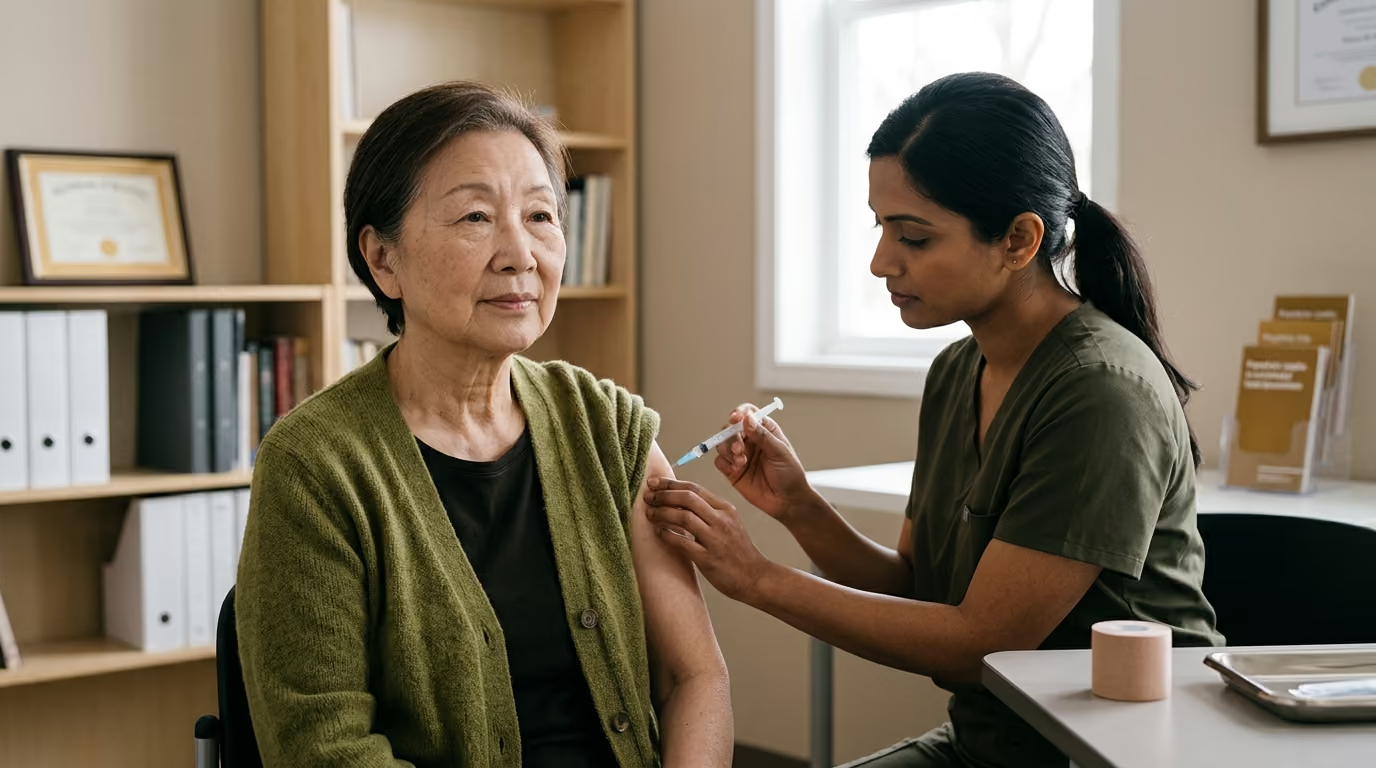

Older adults facing seasonal vaccine decisions can evaluate how modern immunizations effectively counter biological aging and provide clinical protection across adulthood.





Many people assume that because an aging immune system mounts a weaker response to antigens, vaccines become less useful in later life. The immunological reality is almost the exact opposite. While immune aging does alter cellular responsiveness, clinical trials and public health surveillance show that immunization remains one of the most effective medical tools for preventing severe illness, hospitalization, and death in older populations.
Understanding adult immunization requires a rigorous look at biology, clinical data, and epidemiological methods. Vaccines do not alter the fundamental biological rate of human aging. Instead, they defend physiological reserve by preventing acute infections that cause severe systemic decompensation, prolonged disability, and secondary chronic complications.
Evaluating these interventions demands clear distinction between surrogate lab markers, controlled trial outcomes, and observational real-world studies. This guide reviews the mechanisms of immune aging, examines specific vaccine-preventable diseases, details clinical evidence, and outlines the precise scope of protection across adulthood.
The immune system undergoes continuous structural and functional remodeling throughout life. This complex reorganization is termed immunosenescence. Immunosenescence affects both innate and adaptive immunity, altering how the body recognizes and clears foreign pathogens.
A primary driver of adaptive immune aging is thymic involution. Beginning in early adulthood, the thymus progressively shrinks and is replaced by adipose tissue. This structural change drastically reduces the output of new, antigen-naïve T cells.
As naïve T-cell numbers drop, the existing T-cell pool becomes dominated by memory cells. Many of these memory cells are dedicated to persistent latent viruses, such as cytomegalovirus. This shift restricts the overall diversity of the T-cell receptor repertoire, leaving fewer unique receptors available to recognize unfamiliar pathogens.
B-cell production and maturation in bone marrow also change over time. Older adults frequently exhibit blunted B-cell clonal expansion and reduced somatic hypermutation in germinal centers. As a result, antibody responses to novel antigens often produce lower peak titres, shorter persistence, and lower overall binding affinity.
Alongside immunosenescence runs inflammaging, a state of persistent, low-grade systemic inflammation. Inflammaging involves elevated baseline levels of inflammatory cytokines, such as interleukin 6 and tumor necrosis factor alpha. This chronic background signaling disrupts regular cellular communication, impairing the ability of immune cells to mount coordinated responses during acute challenges.
These biological changes explain why immune responses in older individuals differ quantitatively and qualitatively from those in younger adults. Yet a blunted antibody response does not mean immunization is ineffective. As detailed in the fundamental biology of aging, targeted interventions can compensate for physiological declines through optimized dosing, adjuvants, and updated antigen presentations.
Longevity science often struggles with conflation between disease prevention and aging modification. Adult immunization prevents specific pathogenic infections and their downstream physiological damage. It does not modify underlying epigenetic clocks, reverse cellular senescence, or directly alter maximum human lifespan.
When evaluating vaccine research, readers must differentiate surrogate markers from verified clinical outcomes:
When researchers study clinical longevity interventions, they measure both primary infection rates and secondary complications. An acute viral or bacterial illness often causes severe secondary stress on vulnerable organ systems. In an older adult, systemic inflammation from an infection can destabilize atherosclerotic plaques, trigger acute kidney injury, or accelerate physical frailty.
Observational studies frequently report lower all-cause mortality among older adults who receive routine vaccinations. These findings require extreme caution during interpretation. Observational comparisons are vulnerable to healthy-vaccinee bias and healthy-user effects.
Healthy-vaccinee bias occurs when individuals who regularly seek vaccination are also more physically active, socially engaged, and proactive about managing chronic conditions. Conversely, individuals near the end of life or with severe unrecorded functional decline are often less likely to receive elective vaccines. This selection bias can create a misleading statistical association between vaccination and extended overall survival.
Vaccination protects health by preventing specific acute infections and their severe physiological sequelae. It preserves functional capacity and prevents premature mortality driven by infectious illness. Presenting vaccination as a direct anti-aging therapy misrepresents the scientific evidence.
Influenza causes substantial seasonal morbidity and mortality in older populations. Aging-related declines in immune function can reduce standard vaccine efficacy, leading public health agencies to develop specialized formulations for older adults.
The Centers for Disease Control and Prevention (CDC) preferentially recommends specific enhanced influenza vaccine formulations for adults aged 65 and older. These options include higher-dose inactivated vaccines, adjuvanted inactivated vaccines, and recombinant hemagglutinin vaccines. These specialized products are designed to overcome blunted immune responsiveness.
A pivotal two-season randomized trial evaluated high-dose trivalent inactivated influenza vaccine against standard-dose vaccine in nearly 32,000 adults aged 65 and older. The high-dose vaccine demonstrated a 24% relative efficacy over the standard vaccine in preventing laboratory-confirmed influenza-like illness, with a 95% confidence interval spanning from 10% to 36%. This trial proved that delivering four times the standard antigen concentration generates superior clinical protection in older recipients.
Real-world surveillance confirms broad clinical benefits across changing seasonal viral strains. During the 2023 to 2024 respiratory season, CDC data indicated that vaccinated adults aged 65 and older were 41% to 51% less likely to visit an outpatient clinic due to influenza. The same surveillance system recorded a 42% reduction in influenza-associated hospitalizations among vaccinated older adults.
Vaccination also modifies the severity of breakthrough infections. In a 2021 study examining hospitalized adults, individuals who developed influenza despite vaccination had a 26% lower risk of intensive care unit admission and a 31% lower risk of in-hospital death compared to unvaccinated patients.
Influenza immunization does not guarantee total protection against viral acquisition. Its primary clinical value lies in reducing outpatient illness severity, preventing hospital admission, and protecting against life-threatening lower respiratory tract complications.
Herpes zoster, commonly known as shingles, is caused by the reactivation of the varicella-zoster virus. After an initial chickenpox infection, the virus remains latent inside sensory nerve ganglia. As cell-mediated immunity declines with age, the risk of viral reactivation increases substantially.
The primary clinical complication of shingles is postherpetic neuralgia. This condition is characterized by severe, often intractable neuropathic pain that persists in the affected dermatome for months or years after the visible rash resolves. Postherpetic neuralgia significantly degrades physical function, disrupts sleep patterns, and diminishes quality of life in older individuals.
The recombinant zoster vaccine (Shingrix) uses a two-dose intramuscular schedule to restore virus-specific cell-mediated immunity. In landmark clinical trials, the recombinant vaccine demonstrated 97% efficacy in preventing shingles among immunocompetent adults aged 50 to 69. For adults aged 70 and older, efficacy against shingles was 91%.
Protection against postherpetic neuralgia is equally robust across older cohorts. Clinical trials showed an efficacy against postherpetic neuralgia of 91% in adults aged 50 and older and 89% in adults aged 70 and older. Longitudinal follow-up data show that protective efficacy remains at or above 84% through at least seven years post-vaccination in adults aged 70 and older.
The recombinant vaccine exhibits high reactogenicity due to its potent adjuvant system. Common side effects include localized arm pain, swelling, erythema, fatigue, low-grade fever, headache, and myalgia. These systemic symptoms typically resolve within two to three days.
Patients and clinicians should recognize these self-limiting symptoms as an expected physiological response to adjuvant-mediated immune activation. They must be clearly distinguished from severe adverse events.
Streptococcus pneumoniae is a leading bacterial cause of community-acquired pneumonia, bacteremia, and meningitis in older adults. Pneumococcal colonization of the upper airway can progress rapidly to invasive pneumococcal disease when mucosal defenses and phagocytic clearance are compromised.
Pneumococcal recommendations by the CDC have transitioned toward conjugate vaccines covering expanded serotype profiles. The current adult schedule recommends pneumococcal conjugate vaccination for all adults aged 50 and older, alongside risk-based recommendations for younger adults with chronic health conditions.
Available conjugate options include 15-valent (PCV15), 20-valent (PCV20), and 21-valent (PCV21) formulations. Conjugate vaccines link bacterial capsular polysaccharides to a carrier protein, stimulating a T-cell-dependent immune response that improves memory-cell induction.
Historical randomized trial data established the clinical baseline for conjugate technology in older adults. A study evaluating the 13-valent pneumococcal conjugate vaccine (PCV13) in adults aged 65 and older reported 75% efficacy against vaccine-type invasive pneumococcal disease. The same trial documented 46% efficacy against vaccine-type non-invasive pneumococcal pneumonia.
Clinical endpoints must be interpreted with technical precision:
Understanding these distinctions helps manage clinical expectations. Pneumococcal conjugate immunization provides potent protection against targeted serotypes, significantly lowering the incidence of invasive bacteremia and pneumococcal lung consolidation.
Respiratory syncytial virus (RSV) has long been recognized as a pediatric pathogen, but it is also a major cause of severe lower respiratory disease in older adults. RSV infection can lead to bronchiolitis, viral pneumonia, and exacerbations of underlying chronic obstructive pulmonary disease or congestive heart failure.
Phase 3 clinical trials of protein subunit RSV vaccines demonstrated moderate to high efficacy against lower respiratory tract disease in older cohorts. In adults aged 60 and older, initial trial results showed single-dose vaccine efficacy of 88.9% against symptomatic RSV-associated lower respiratory tract disease during the first respiratory season. Efficacy remained at 78.6% across a partial second season, though statistical confidence intervals widened over time.
As real-world surveillance data accumulated, public health authorities adjusted adult RSV vaccination guidance. The CDC refined its recommendations to target individuals with the highest absolute risk of severe clinical outcomes.
Current CDC guidance recommends a single dose of RSV vaccine for all adults aged 75 and older. For adults aged 50 to 74, vaccination is recommended only for individuals at increased risk of severe RSV disease due to chronic medical conditions or severe frailty. The RSV vaccine is not an annual shot; individuals who have received a dose should not receive another dose under current guidelines.
Post-licensure safety surveillance identified a small potential risk signal for Guillain-Barré syndrome (GBS) within 42 days following certain RSV vaccine formulations. For adults aged 75 and older and high-risk individuals aged 50 to 74, public health analyses determined that the clear benefits in preventing hospitalization and death substantially outweigh the small potential risk of GBS.
This evolving guidance demonstrates the responsive nature of modern public health surveillance. Vaccine recommendations are continuously updated as risk-benefit ratios across specific age bands and risk tiers become clearer.
Severe acute respiratory syndrome coronavirus 2 (SARS-CoV-2) continues to present a disproportionate risk to older adults and individuals with underlying medical vulnerabilities. Immune senescence and declining circulating antibodies make ongoing vaccination an important defense against severe infection.
CDC guidance indicates that adults aged 65 and older, as well as individuals with moderate or severe immunocompromise, should receive additional doses of updated formulations based on published schedules. Updated formulations align vaccine antigens with circulating viral lineages, restoring neutralizing antibody titres and reinforcing cellular responses.
Clinical effectiveness studies of recent updated formulations confirm substantial reductions in severe outcomes among older adults. In real-world surveillance, updated vaccines reduced COVID-19-associated critical illness, defined as intensive care unit admission or in-hospital death, by approximately 67% during the first two months post-vaccination. By months four through six, protection against critical illness waned to roughly 40%.
Waning immunity underscores the rationale for updated doses in older age brackets. Cellular immunity, mediated by memory CD4+ and CD8+ T cells, often provides more durable protection against severe disease than circulating neutralizing antibodies provide against mild infection. Even so, the natural decay of circulating antibodies over several months leaves mucosal surfaces more susceptible to breakthrough viral entry.
Safety surveillance for COVID-19 vaccines continues across several monitoring networks. Monitored serious adverse events include anaphylaxis and rare instances of myocarditis or pericarditis. Public health evaluations confirm that serious adverse events remain rare, and the risk of severe cardiovascular or pulmonary complications from acute COVID-19 infection far exceeds the risk of serious adverse reactions to vaccination.
Vaccine safety assessment relies on continuous pre-licensure testing and active post-marketing surveillance. Clinical trials involve thousands of participants to establish safety and efficacy before public release. However, post-licensure monitoring is essential to detect extremely rare adverse events, delayed complications, or reactions in specialized clinical subgroups.
The United States operates several complementary surveillance networks:
A critical challenge in public health communication is distinguishing an adverse event following immunization from a true vaccine-caused adverse reaction. Because millions of adults receive vaccines each year, baseline medical events such as strokes, myocardial infarctions, or autoimmune onsets will inevitably occur shortly after vaccination by pure chance.
When passive surveillance detects a cluster or unexpected safety signal, epidemiologists evaluate controlled databases, such as the VSD, to compare the observed incidence against historical baseline rates in unvaccinated cohorts. Only rigorous epidemiological analysis can confirm whether a statistical signal represents a genuine causal risk.
Safety communication must remain transparent about real trade-offs. While minor reactogenicity is common and serious adverse events are rare, no medical intervention carries zero risk. Understanding these surveillance systems helps readers interpret safety reports with scientific rigor.
Navigating the scientific literature on immunology and healthy aging requires precision. Misunderstandings frequently arise when technical terms are used interchangeably.
Biomarkers of immune function provide insight into biological activity, but each carries specific interpretive boundaries:
For broader insights into how physiological metrics correlate with health over time, explore our research resources on healthy aging.
Evaluating vaccination decisions involves integrating age, prior vaccination history, underlying medical diagnoses, and known clinical risk factors. The following illustrative scenarios show how evidence-based frameworks apply across common clinical situations.
A 72-year-old adult in good health asks whether an annual influenza shot is necessary, noting that aging reduces immune response.
The clinical evidence indicates that while immunosenescence blunts antibody production, vaccination consistently lowers outpatient visits, hospitalizations, and secondary complications. The CDC preferentially recommends higher-dose, adjuvanted, or recombinant influenza formulations for adults aged 65 and older to overcome blunted immune responses.
A 68-year-old individual experiences localized arm pain, fatigue, and a low-grade fever lasting 48 hours after receiving the recombinant shingles vaccine.
These symptoms represent expected reactogenicity driven by adjuvant-induced immune activation, not a vaccine-induced injury. Clinical trials demonstrate over 90% protection against shingles and postherpetic neuralgia, and short-term reactogenicity typically resolves without medical intervention within two to three days.
A 66-year-old adult with chronic obstructive pulmonary disease asks whether they should receive the RSV vaccine.
Under current CDC guidelines, adults aged 50 to 74 are recommended to receive a single dose of RSV vaccine if they have chronic pulmonary, cardiovascular, or other high-risk medical conditions. Because chronic lung disease significantly increases the risk of severe lower respiratory tract complications from RSV, vaccination is indicated.
An 80-year-old adult asks if staying up to date on all recommended vaccinations will directly slow their biological aging.
The scientific literature shows that vaccines prevent pathogen-specific infections and downstream physiological destabilization, but do not slow biological aging clocks. Observational reports linking vaccination to extended overall survival are often influenced by healthy-user bias. Immunization supports healthy aging by preserving organ reserve, maintaining mobility, and preventing acute hospitalizations.
Immunization provides robust, pathogen-specific protection that preserves functional independence and protects physiological reserve across the human lifespan.
Stay current with research on aging biology, biomarkers, nutrition, therapeutics, peptides and longevity technology. AgeAmaze reports what the evidence shows, where uncertainty remains and which claims still need stronger data.


Follow AgeAmaze for careful reporting on what longevity science can show today and what still needs stronger evidence.
read the Blog